When people think about “breaking out of the daily grind,” they usually think about big changes:
- quitting their job
- taking a long break
- reaching financial independence
Those are all valid paths... But they’re not where it starts.
Most people are looking too far ahead.
👉 The shift usually starts somewhere much smaller, and much more immediate.
🧠 The Real Problem
The grind isn’t just about work.
It’s about repetition, or the daily routine.
👉 doing the same things, in the same way, every day
- wake up
- go to work
- come home
- run errands
- relax
- repeat

Even if your job is fine, that pattern and repetition can start to feel limiting over time.
🔄 Where Most People Go Wrong
When people feel stuck, they look for a big change:
- a new job
- more money
- a long vacation
Those can help (and I highly recommend those types of ideas)... But they don’t actually fix the underlying issue: the daily grind.
Because when nothing changes day-to-day:
👉 the feeling comes back
🎯 What Actually Changes Things
What actually changes how your life feels day-to-day is much simpler:
👉 what you do outside of work
Not:
- passive downtime
- default habits
- scrolling or killing time
But activities that are:
- engaging
- challenging
- require your attention
From my experience, this is where the shift actually happens.
🧗 Why This Matters More Than You Think
When you introduce something new into your life:
- your routine changes
- your time becomes more intentional
- your energy shifts
Even one new activity can break the pattern.
And maybe just a hobby is enough to break up your daily routine and improve your morale day to day.
It's also a great way to try things and see if these activities could potentially become part of your life or an extended break.
🥊 What This Looked Like for Me
For me, this showed up through:
- combat sports
- climbing
- daily/weekend road trips
- travel
None of these were “necessary.”
But they changed:
- how I spent my time
- how I handled discomfort
- how I thought about effort
At first, they were just something different to do.
But they changed:
- how I spent my time
- how I handled discomfort
- how I thought about effort
But over time, something shifted.
👉 these became the part of my day I looked forward to most
Even if I go through a rough patch at work, having these outlets on a regular basis has made my regular life much more exciting.
And once that shift happens, it’s hard to go back to just doing the same thing every day.

🧠 The Hidden Benefit
These kinds of activities do something most people don’t expect:
👉 they force you to be present
You’re not:
- thinking about work
- checking your phone
- or going through the motions
You’re focused, intentional, and your putting value on your time and attention.
This was one of the biggest unexpected changes for me, and it’s something most people don’t experience very often in their normal routine.
⚖️ It Doesn’t Have to Be Extreme
This doesn’t mean you need to:
- step into a fight
- climb a mountain
- or completely overhaul your life
The bar is much lower than people think.
👉 you just need something that requires your attention
Most of what I’ve done has actually been pretty simple. Some much less extreme examples might be:
- weekly movie night
- dance class
- trying different art museums, bars, restaurants, etc...
As long as you are being intentional, and putting your time to something that legitimately excites you, there is no wrong answer.
🧭 A Different Way to Think About “Freedom”
Most people define freedom as:
👉 “not having to work”
And that is a great metric, and a big focus of this blog. But there’s another version:
👉 being engaged in how you spend your time
You don’t need to wait:
- for a sabbatical
- or for financial independence
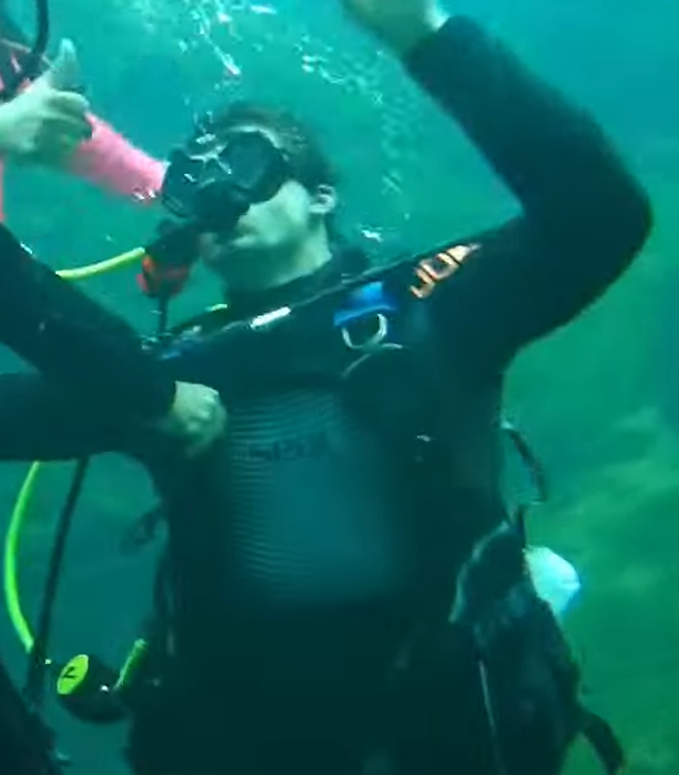
To start experiencing that. You just need to find that activity you can do for a few hours every week.
When you find that one activity, your whole life improves, and you start looking for more and more ways to spend time doing what you love.
Unfortunately, most people never think about it this way. Making this realization makes you embrace the freedom that is right in front of you.
🔗 How This Connects to Everything Else
Once you start changing how you spend your time:
- you think differently about work
- you think differently about money
- you think differently about what you actually want
- you start enjoying your day-to-day life
- you become a more interesting person to be around
This is often what leads people toward:
- travel
- serious hobbies
- financial independence
- or bigger life changes
🧭 Final Thoughts
Breaking out of the daily grind doesn’t start with a massive decision.
It starts with:
👉 one different choice
Something:
- slightly uncomfortable
- slightly challenging
- genuinely engaging
- and something you look forward to when going through an otherwise rough day
That’s enough to start shifting how your life feels day-to-day.
And over time, that changes more than you expect.
✅ Action Step
Pick one activity you’ve been curious about.
- try a class
- go once
- don’t overthink it
- then try it a second time.
If you hate it, nothing is lost... Just try something else.
You don’t need a long-term plan.
👉 You just need to start.
Add comment
Comments